











NED KELLY TO PLAY MELBOURNE IN JULY
[ 9 April, 2026 ]
VICTORIAN OPERA ANNOUNCES
REG LIVERMORE’S
NED KELLY: THE MUSICAL WILL PLAY 3 SHOWS IN MELBOURNE
The Melbourne season follows an acclaimed two-performance run exclusively presented at Her Majesty’s Theatre Ballarat in late March, marking the musical’s long-awaited return to the stage nearly fifty years after its original premiere, playing 24–25 July at Union Theatre, The University of Melbourne.
24 – 25 July 2026
Union Theatre, The University of Melbourne
TICKETS ON SALE - BOOK NOW!
NED KELLY RETURNS TO THE STAGE
[ 26 February, 2026 ]
VICTORIAN OPERA ANNOUNCES
REG LIVERMORE’S
NED KELLY: THE MUSICAL
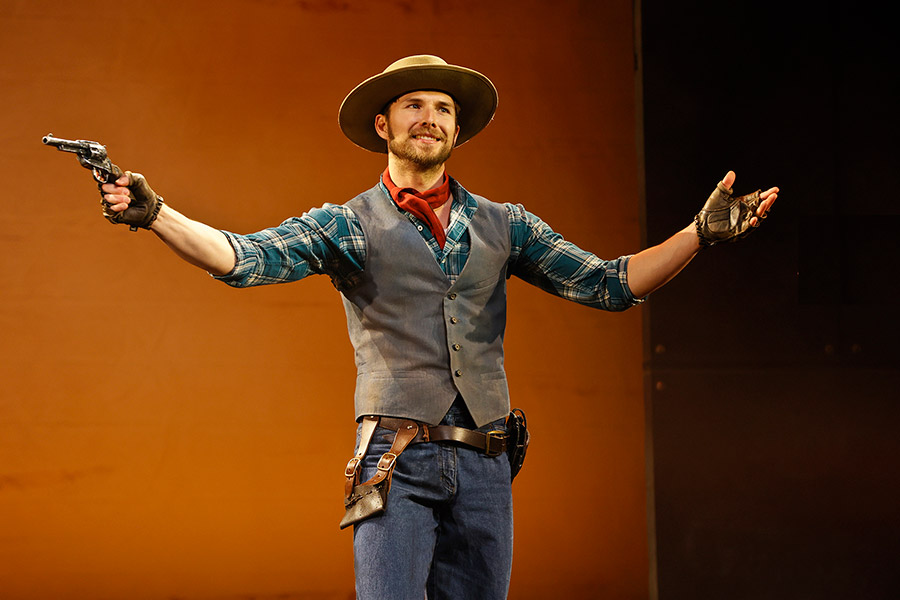
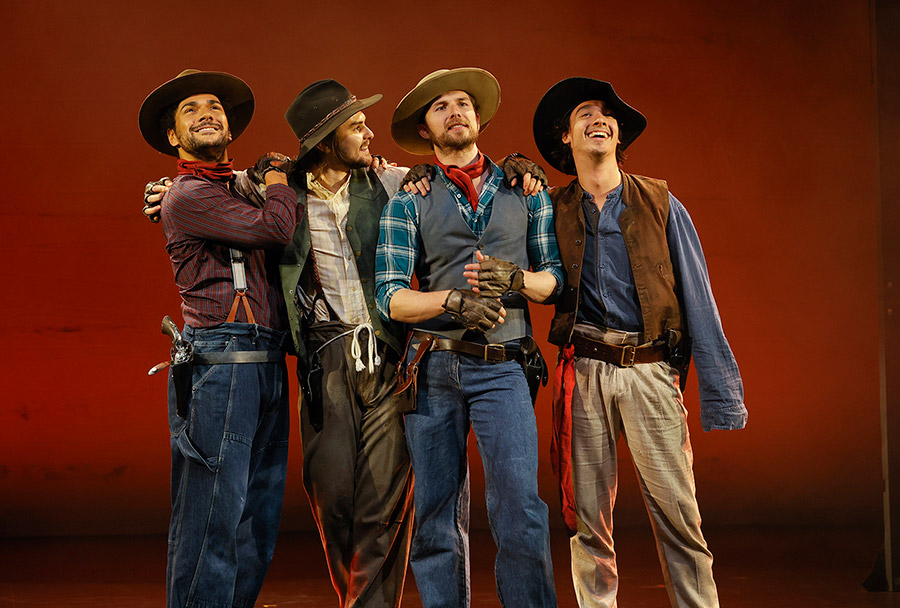
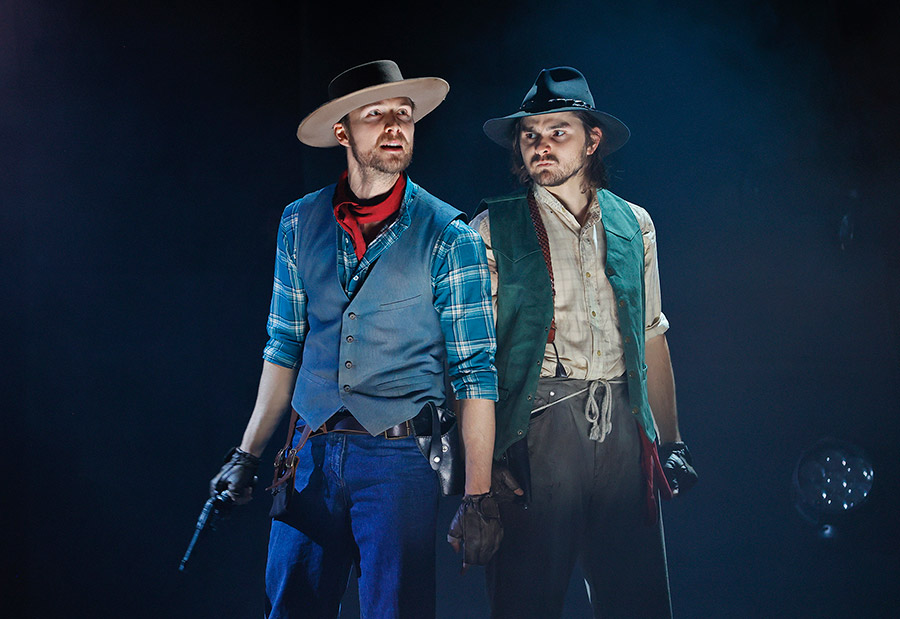
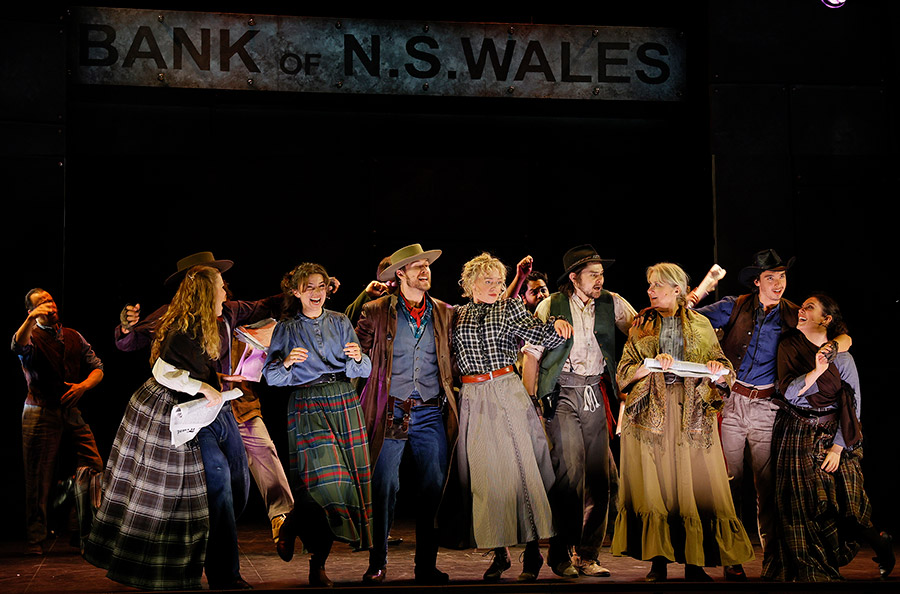
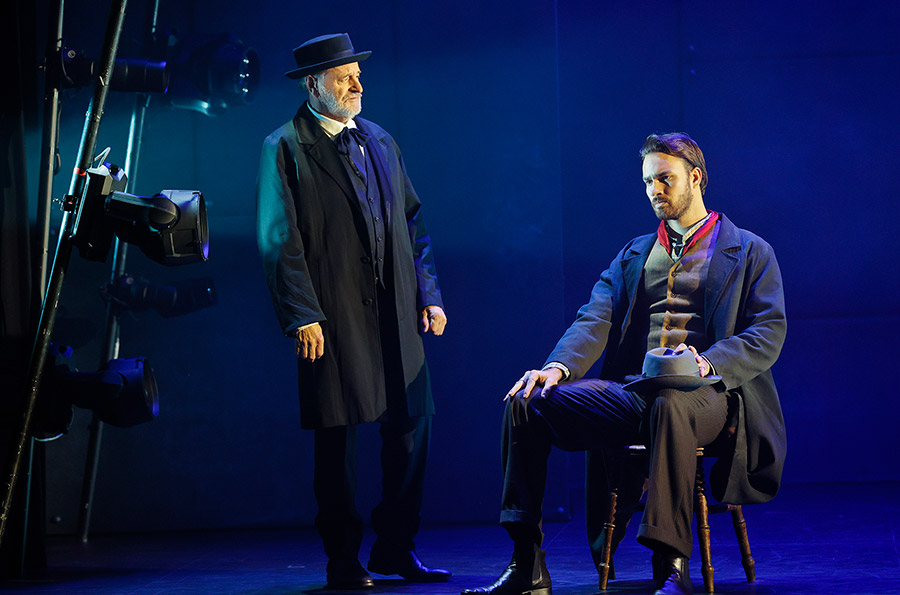
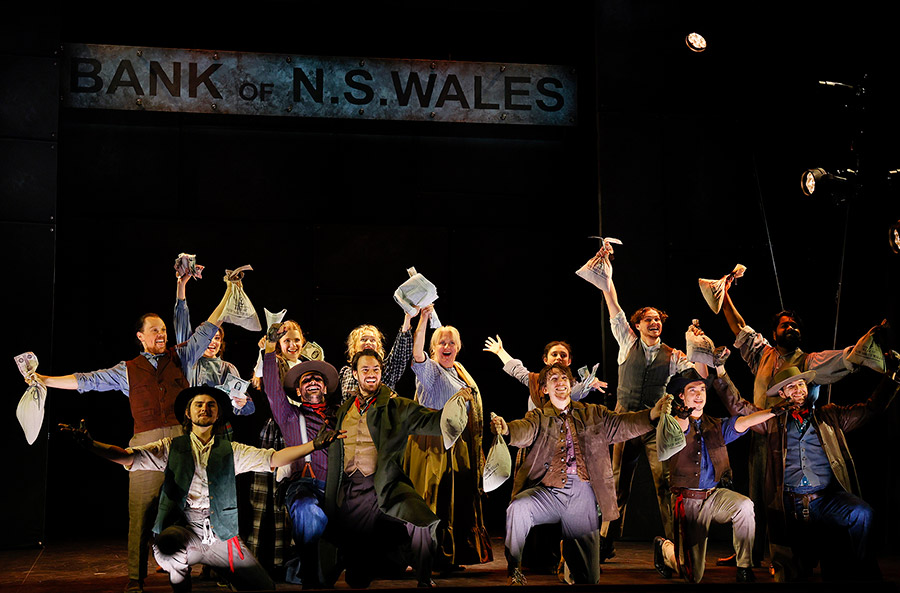
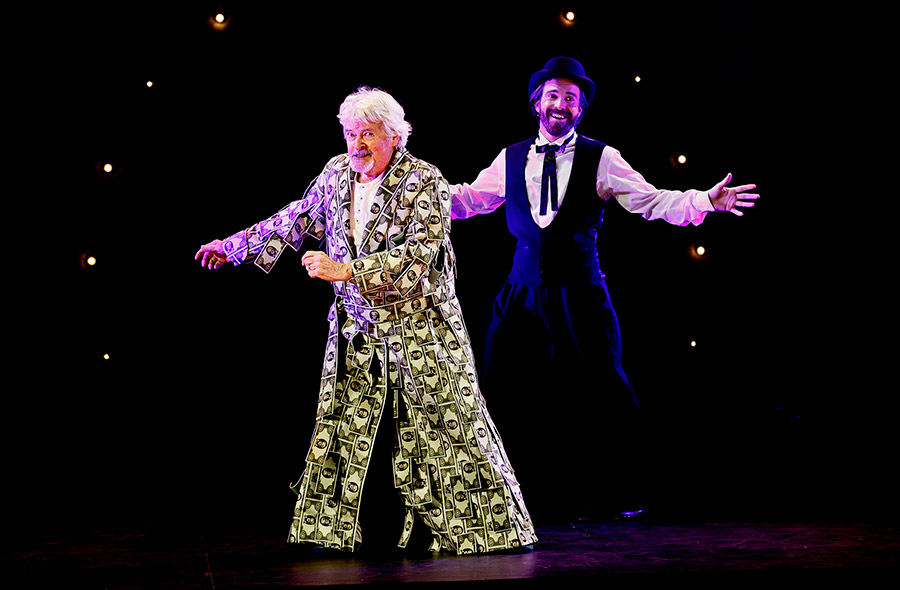
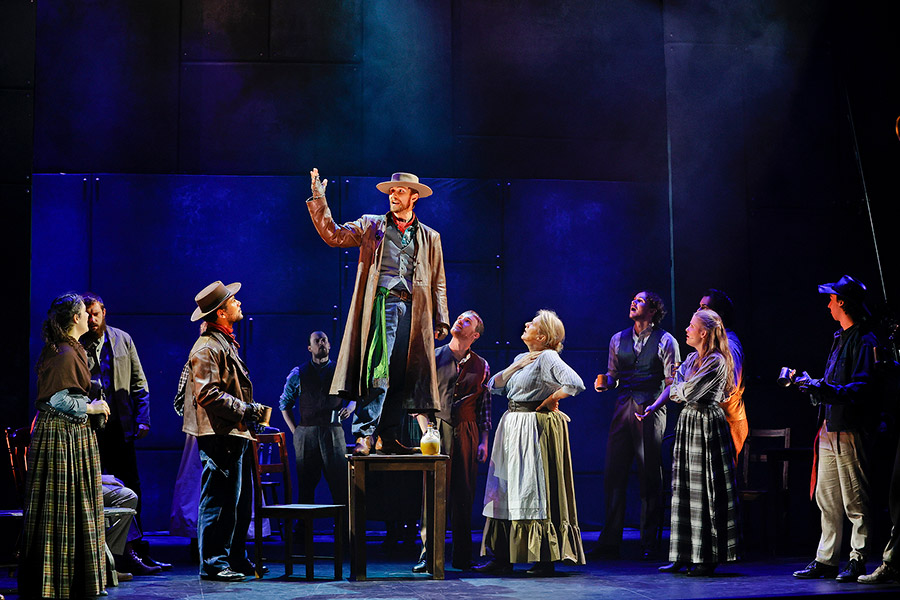
Victorian Opera announces the cast for its upcoming revival of an iconic yet long-neglected work of Australian theatre: Reg Livermore’s Ned Kelly: The Musical. Following its original seasons in Adelaide and Sydney in the late 1970s, this landmark musical returns to the stage for the first time in 48 years, featuring a stellar cast of Australian musical-theatre greats. Audiences can experience this exclusive, limited-run season across two performances only at Her Majesty’s Theatre, Ballarat, on Saturday 28 March.
Ned Kelly’s name is etched into Australian folklore. The infamous bushranger, his gang, and that unmistakable suit of armour continue to ignite a national debate: Was he a champion of the underdog or a cold-blooded criminal?
Victorian Opera’s Artistic Director Stuart Maunder (Follies, The Pirates of Penzance, La Rondine) breathes fresh life into the work as director. He is joined by conductor Simon Holt (Cats, Sweeney Todd, Sunset Boulevard), who has contributed additional music and newly orchestrated this revised version of the score.
The creative team includes emerging designer Harry Gill, recipient of the 2026 Truscott Prize, who will design both set and costumes. Nicole Melloy (The Who’s Tommy) joins as choreographer, with Gavan Swift (Follies) as lighting designer and Samuel Moxham (The Pirates of Penzance) as sound designer.
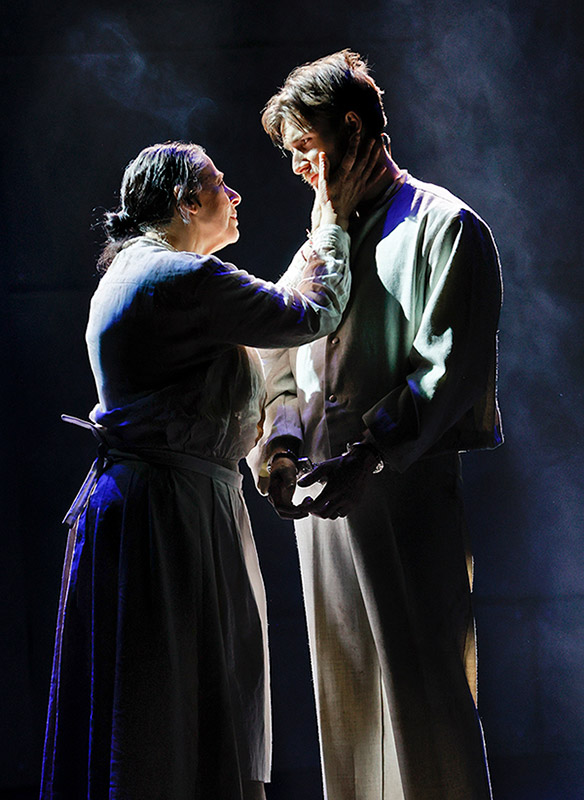
Fresh from Back to the Future: The Musical, rising star Ethan Jones is Ned Kelly. He is joined by celebrated stage veterans Maria Mercedes (Candide) as Ma Kelly and Robert Grubb (Sunset Boulevard) as Superintendent Hare.
As members of the Kelly Gang, Jacob Steen (Follies) appears as Joe Byrne, alongside Darcy Wain and Luke London, recently in Victorian Opera’s The Pirates of Penzance, as Steve Hart and Dan Kelly. Chelsea Dawson (Six) performs as Ned’s sister Kate. Rohan Campbell (The Lord of the Rings – A Musical Tale) makes his Victorian Opera debut as Aaron Sherritt, the friend-turned-informant whose betrayal shaped the Kelly story. Sally Bourne (Sister Act) stars as publican Mrs Jones, and Kiran Rajasingam (The Pirates of Penzance) appears as Judge Redmond Barry, who famously sentenced Kelly to death.
Victorian Opera’s current and former Opera Prize winners join the supporting cast, including Douglas Kelly as Sergeant Fitzpatrick and Living, Rachael Joyce as Ellen Sherritt, Bailey Montgomerie as Constable McIntyre, and Alessia Pintabona in the ensemble. The ensemble also features Teddy Burgess, Declan Farr, Hanlon Innocent, Kristina McNamara, and Connor Sweeney.
In a special cameo by the legend himself, Reg Livermore AO (Wicked, My Fair Lady, The Producers) returns to the world he created, appearing as Mr Tarleton, the Bank Manager. On the season, Livermore notes: “Victorian Opera’s production of Ned Kelly: The Musical this year is a labour of love for all concerned, as it surely was for those members of the original company when it premiered in Adelaide 48 years ago.
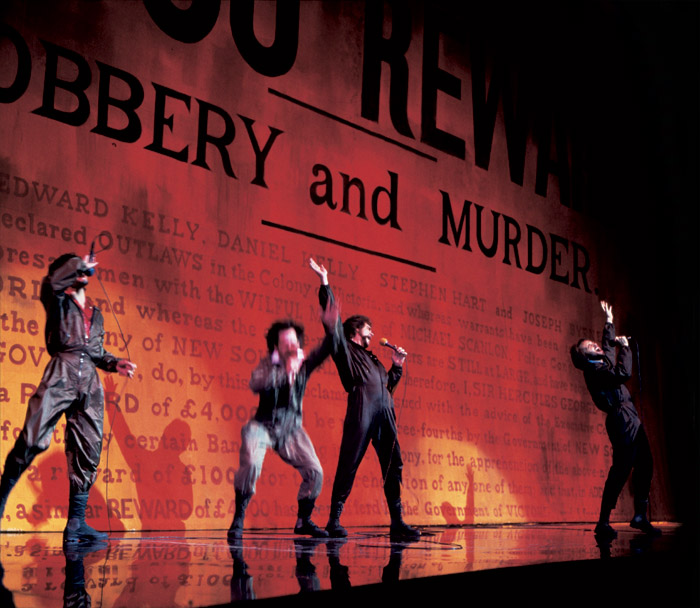
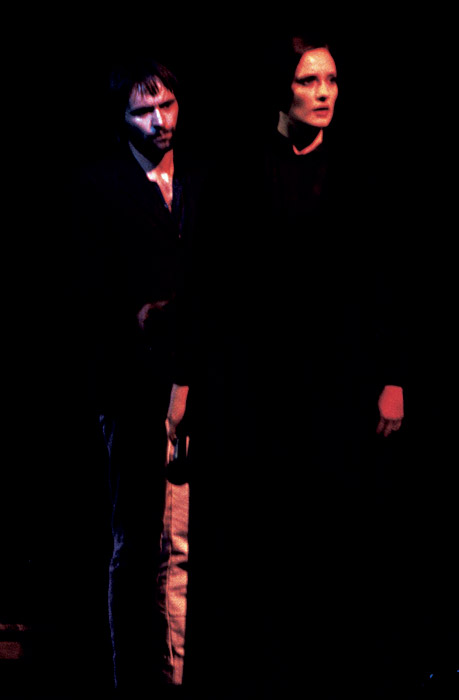
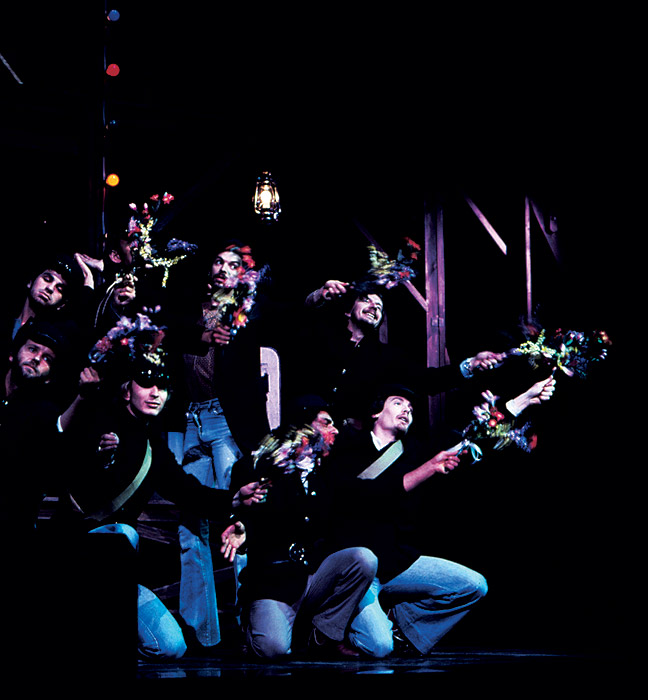
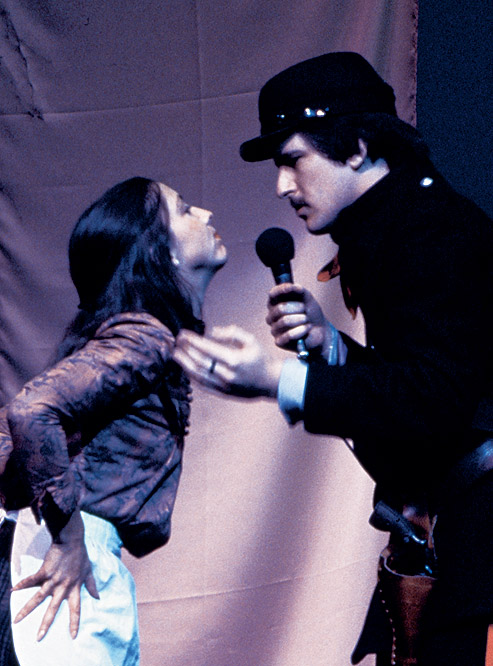
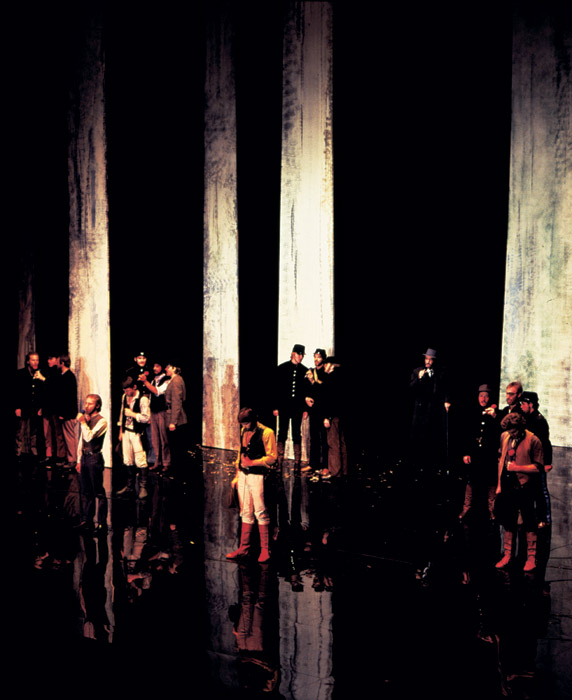
The original production of NED KELLY, 1978





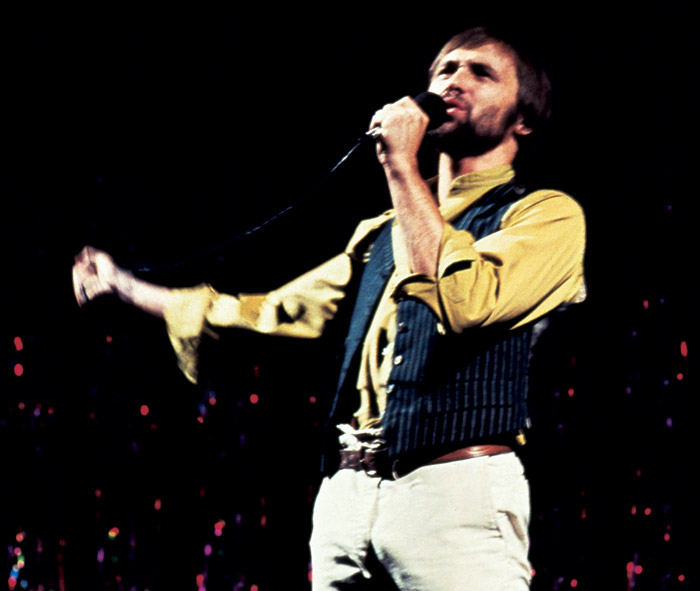

THE TRUE HISTORY OF NED KELLY THE ELECTRIC MUSIC SHOW
The gestation of my musical Ned Kelly was not only protracted it was extremely complex. Festering in my head and on the page since 1974 it took years to fashion, its shape had many forms and many re-writes, and it involved way too many people for far too long – none of whom were remotely capable of actually getting the show off the ground.
At last, in 1977 the programming manager at the Festival Centre in Adelaide Tony Frewin contacted me with a view to producing Ned Kelly there during the January holiday period of 1978, with a follow-on season in Sydney or Melbourne. It was agreed I'd direct and design and do a major overhaul of the then fairly laborious script; discarding almost all of the historically accurate but arguably dull dialogue I wrote new lyrics to cover the discarded material; the show would now be entirely sung and played without an interval. It was a big and decidedly bold stroke, why I hadn't thought to do something so decisive earlier I'm not sure.
The announcement of money budgeted for Ned Kelly was big news, splashed across tabloids all over the country, all up $250,000, a large figure for its time more particularly for a solely Australian venture of such size and scope. It was carefully allocated and what we succeeded in putting on stage for the sum was immense. So was the stage, a space comparable to a playing field; to put you in the picture when Ned moved on later to play the Her Majesty's in Sydney, a third of the set had to be cut away. Its dimensions staggered me; Ned will be big, I thought, it will be a big, defining moment; too big for its own boots, a skeptic would venture, or too big for its own good.
I passionately believed in the abilities of the men and women we chose as our cast, an overall balance of talent and of type in the context of an ensemble; they all had good voices, some of them remarkable, so that particularly in the concerted numbers there was an immense strength, a sense of musical power., Listening to them sing at such close proximity in the confined space of the rehearsal studio was almost too much to bear sometimes. I lost objectivity far too early that's for sure.
When we eventually moved to the stage, those up-close and personal moments had to battle the wide-open expanses of both stage and auditorium; the show required performers of stature. With original music by Patrick Flynn Ned Kelly is a very difficult show to bring off: it has elements of music theatre, rock opera, of real opera, likewise vaudeville and burlesque. It asks an awful lot of its performers, and of its audience in terms of notional adjustments; yet everything has to be seamlessly followed through. As wonderful as it looked, for me there was always a sense of stop and start about the show, the proceedings were hampered by scene changes that took far too long, on the oversized stage everything had farther to travel whether moving on or off or straight up. There were too many hold-ups. The music was another cause of disappointment for me, since bringing its components together was not the work of just one person, the charts had been farmed out for band-part arrangement by the musical director, so that the finished musical landscape was probably the work of three or four people working in isolation. Perhaps it was due to the particular instruments chosen to make up the band; to my liking, and to my ear, there were some unhappy and awkward discrepancies. A sound department affects the outcome too; it may all have been just a matter of balance.
There was so much excitement in evidence that first night; all things considered it went well save for the central production moment that almost misfired: the purpose built lantern curtain, a backdrop of 680 silvered hurricane lamps strung together over a large frame, filling the Festival Theatre stage high and wide, electrically wired and programmed to perform a routine of intricate and spectacular chasing patterns all of which were reflected in a black perspex floor; it was a fantastic sight, especially from the circle, where the audience would view the image reflected as well. On the opening night it decided to run its own course, and started late. My heart was in my mouth.
Over the next couple of days the reviews were published, or, it could be said, death notices were posted. They were so bleak, so awful, I had to question whether the critics and I had actually been at the same event. They certainly had it in for us. By far the most destructive verdict came from the Adelaide Advertiser's arts editor, who claimed it was the worst thing she'd ever seen in a respectable theatre. 'The waste!' There were many letters to the editor in our support, from the very people for whom the show was intended, the general public, but the damage had been done. Ned was sacrificed on the altar of arts policy politics and bitterness it turned out; in the end I believe it was all about money, particularly the disparity of funding to the various South Australian arts organizations. As a result of the truly hideous homegrown reviews I pronounced Adelaide to be 'my Dallas', assassination very much on the mind.
Thankfully, several of the interstate journalists who'd been invited to cover the event were more even-handed: Neil Jillett of Melbourne said, 'Mr Livermore's Ned Kelly clamours for a big audience, praise and abuse, and deserves all three'. Brian Hoad of the Bulletin: 'in the ambition of its scale, in the depth of its content and the brilliance of its execution it is a remarkable achievement. It can stand comparison with both Hair and Jesus Christ Superstar – less trendy and more coherent than the former, less saccharine and more subtle than the latter, meatier and more demanding than either.'
I have carefully detailed the Ned Kelly production in my book Chapters and Chances and it's content is worth observing. We certainly stirred the place up: there was love and hate abroad. What we have to remember above all is that in the Australian theatre you rarely get the second chance; mostly you don't get a first go at something. In Australia there is no 'out of town', and if something's not quite there at the start, more than likely that's the end of it. I don't know what we could have done to change things for maximum impact. The real dilemma is the very nature of the show; the way it is written. For a start Ned Kelly himself is not the centre of attention; over the evening he steadily emerges from the crowd, a man, one man among many, as a result of active persecution he becomes the scapegoat, and that is how I intended it to be. His role is not about star placement. The stylistically inconsistent piece is almost impossible to stage as it stands. I now think a kind of narration is probably a good idea. Perhaps interludes of Ned declaiming the content of the two forceful public letters he wrote at the time, as if at a public meeting and stirring; this would enable the audience to get a grip on when and where they are and help smooth the more awkward transitional moments. It would also contribute a deal of passion.
In spite of all the support and enthusiasm we managed to claim alas for our production success didn't win out, the economics did. I felt for the investors, but my heart mostly went out to the cast; I would've protected them had I been able, but there was nothing more I could reasonably do. Bad publicity traveled faster than we did. The show made it to Sydney where the going was hard but by the time it seemed we were turning the corner the money had run out and we closed early. It was such bad luck.
Postscipt: I was saddened to learn of the death of my colleague Patrick Flynn during late 2008 in California where he had lived for many years. Patrick died September 10 of a heart attack, aged 72. He was currently Music Director and Conductor of The Riverside County Philharmonic, and Music Director of Michigan's Saginaw Bay Symphony Orchestra, also Guest Conductor with the Finnish National Opera and Holland Sinfonia. Vale Patrick.
Photo: Nick Turbin as Ned Kelly


